


Hey there! As a supplier of Eco Board Plywood, I've had my fair share of experiences dealing with different climate conditions. Today, I wanna chat about what adaptations are needed when using Eco Board Plywood in cold climates.
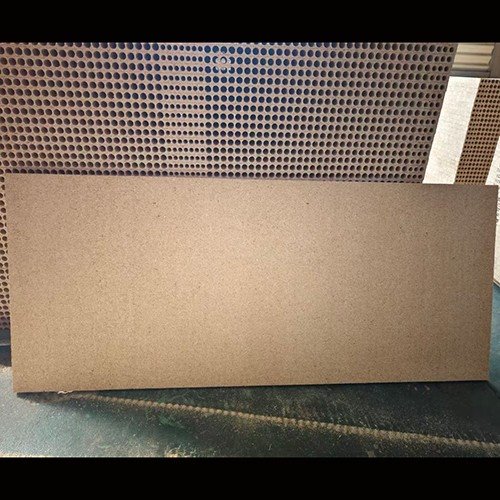
First off, let's understand what Eco Board Plywood is. It's a great alternative to traditional plywood. It's made from sustainable materials, which is not only good for the environment but also has some decent performance. You can find more about it on our Eco Board Plywood page.
Now, cold climates bring a whole set of challenges. One of the main issues is moisture. In cold weather, moisture can condense on the surface of the plywood. This might not seem like a big deal at first, but over time, it can lead to some serious problems.
Moisture Resistance
Moisture is the enemy of plywood in cold climates. When water gets into the plywood, it can cause the wood fibers to swell. This swelling can lead to warping, cracking, and even the growth of mold and mildew. To combat this, we need to make sure our Eco Board Plywood has a high level of moisture resistance.
We can treat the plywood with special water - repellent coatings. These coatings act as a barrier, preventing water from seeping into the wood. There are also some additives that can be mixed into the plywood during the manufacturing process to enhance its natural resistance to moisture. For example, some manufacturers use a type of resin that has better water - proofing properties.
Another thing we can do is to install a vapor barrier behind the plywood. A vapor barrier is a material that stops water vapor from passing through. This helps to keep the plywood dry and reduces the risk of moisture - related damage.

Thermal Insulation
Cold climates mean low temperatures, and we need our Eco Board Plywood to provide some level of thermal insulation. Good insulation helps to keep the interior of a building warm and reduces energy costs.
We can add insulation materials to the plywood. For instance, we can sandwich an insulating layer between two layers of plywood. Some common insulation materials include Eco Friendly Foam Board. This type of foam board is not only lightweight but also has excellent insulating properties.
The thickness of the plywood also plays a role in thermal insulation. Thicker plywood generally provides better insulation than thinner ones. However, we need to find a balance between thickness and cost, as thicker plywood can be more expensive.
Structural Integrity
Cold temperatures can make the wood in the plywood more brittle. This means that the plywood is more likely to crack or break under stress. To maintain its structural integrity in cold climates, we need to reinforce the plywood.
One way to do this is by using stronger adhesives during the manufacturing process. These adhesives can hold the wood layers together more firmly, reducing the risk of delamination. We can also add additional layers of reinforcement, such as fiberglass or metal mesh, to the plywood.
When installing the plywood, we need to make sure that the fasteners are properly tightened. Loose fasteners can cause the plywood to shift, which can lead to structural problems over time.
Installation Considerations
Installing Eco Board Plywood in cold climates requires some special considerations. The first thing is to choose the right time for installation. It's best to install the plywood on a dry day when the temperature is relatively stable. Extreme cold can make the wood more difficult to work with, and it can also affect the performance of the adhesives and fasteners.
We also need to leave some expansion gaps between the plywood panels. Wood expands and contracts with changes in temperature and humidity. If there are no expansion gaps, the plywood can buckle or warp as it expands.
Compatibility with Other Materials
In a building, the Eco Board Plywood will be used in conjunction with other materials. It's important to make sure that the plywood is compatible with these materials in cold climates.
For example, if the plywood is being used as a sub - floor, it needs to be compatible with the flooring material that will be installed on top of it. Some flooring materials may require a certain level of flatness and stability, which the plywood needs to provide.
Also, if the plywood is in contact with metal components, we need to consider the potential for corrosion. Cold and moist conditions can accelerate the corrosion process, so we may need to use corrosion - resistant metals or apply protective coatings to the metal parts.
Maintenance
Even with all the adaptations, regular maintenance is still necessary for Eco Board Plywood in cold climates. We should inspect the plywood regularly for any signs of damage, such as cracks, warping, or mold growth.
If we find any issues, we need to address them promptly. For minor damage, we can repair the plywood using appropriate repair materials. For more severe damage, we may need to replace the affected panels.
Cost - Benefit Analysis
Of course, all these adaptations come at a cost. We need to do a cost - benefit analysis to determine if the additional cost of adapting the Eco Board Plywood for cold climates is worth it.
On one hand, the cost of treating the plywood for moisture resistance, adding insulation, and reinforcing it can increase the upfront cost. On the other hand, the long - term benefits, such as reduced energy costs, lower maintenance costs, and a longer lifespan of the plywood, can outweigh the initial investment.
Conclusion
So, there you have it! Using Eco Board Plywood in cold climates requires several adaptations, including moisture resistance, thermal insulation, maintaining structural integrity, proper installation, compatibility with other materials, and regular maintenance. By taking these steps, we can ensure that the Eco Board Plywood performs well and lasts a long time in cold environments.
If you're interested in purchasing our Eco Board Plywood or have any questions about its use in cold climates, feel free to reach out. We're here to help you make the best choice for your project. And don't forget to check out our other products like Eco Particle Board.
References
- Building Materials Handbook: A guide to understanding the properties and performance of different building materials in various climates.
- Sustainable Construction Research: Studies on the use of eco - friendly building materials and their adaptation to different environmental conditions.


