Your Professional Building Membrane Panels Supplier
Caoxian Huisen Wood Products Co., Ltd. specializes in the R&D, production, and export of high-quality panels, including furniture panels, decorative panels, and engineered wood panels. These products are widely used in furniture manufacturing, construction and renovation, and industrial production.
Reliable Global Supply Chain
We have over 20 years of experience in panel R&D and export, with stable production in China and strong links to the US and Vietnam markets. Our system ensures steady supply, export compliance, and on-time delivery for long-term projects.
Certified Quality You Can Trust
Our panels meet EU E0-level standards and hold FSC and ISO certifications. Each batch goes through strict quality checks with full test reports, ensuring consistent performance in furniture, construction, and commercial applications.
Full-Service Support from Start to Finish
We offer clear communication at every stage—from pre-sales analysis and free samples to real-time production tracking and fast after-sales service. Our team provides accurate cost planning, export support, and quick problem resolution to keep your orders worry-free.
-
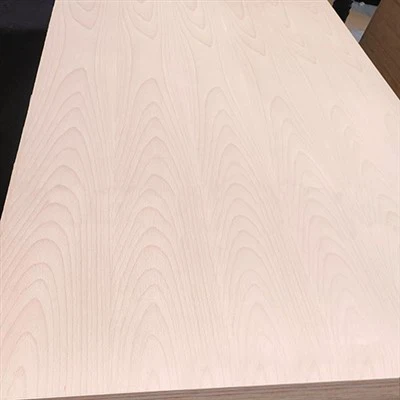
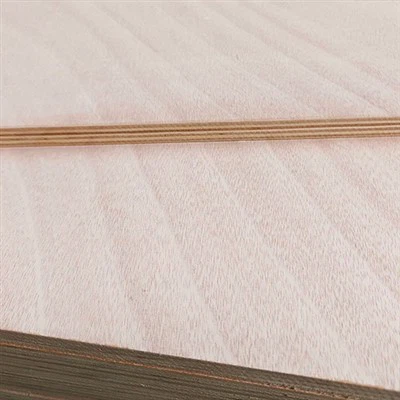
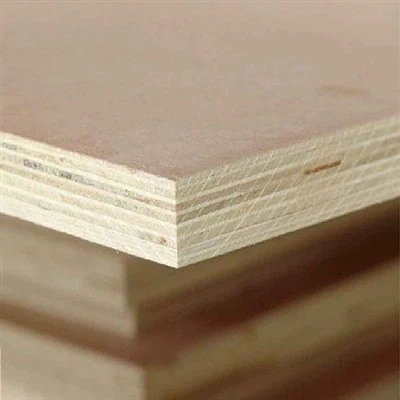
![Pine Veneer Plywood]() Pine Veneer PlywoodApplication Scenario: Study RoomShape: RectangularDesign Style: TraditionalAfter-sales Service: Online technical support, OtherProject Solution Capability: OtherOrigin: Shandong, ChinaMaterial: Pine
Pine Veneer PlywoodApplication Scenario: Study RoomShape: RectangularDesign Style: TraditionalAfter-sales Service: Online technical support, OtherProject Solution Capability: OtherOrigin: Shandong, ChinaMaterial: Pine -
![White Oak Veneer Plywood]() White Oak Veneer PlywoodBrand: HSProduct Name: Oak PlywoodDimensions: 1220*2440 mm / Customized sizesThickness: 3 mm - 45 mmMoisture Content: 6%-12%Glue: E0 grade
White Oak Veneer PlywoodBrand: HSProduct Name: Oak PlywoodDimensions: 1220*2440 mm / Customized sizesThickness: 3 mm - 45 mmMoisture Content: 6%-12%Glue: E0 grade -
![Wood Polymer Composite Board]() Wood Polymer Composite BoardOur wood polymer composite board is made from a scientifically formulated composite of wood fiber and polymer materials. The wood fiber is recycled wood processing residues and undergoes multiple
Wood Polymer Composite BoardOur wood polymer composite board is made from a scientifically formulated composite of wood fiber and polymer materials. The wood fiber is recycled wood processing residues and undergoes multiple -
![English Soft Paste Porcelain]() English Soft Paste PorcelainEnglish soft paste porcelain utilizes high-density polyethylene resin as its primary base material, modified with an advanced formulation system to impart excellent mechanical properties and chemical
English Soft Paste PorcelainEnglish soft paste porcelain utilizes high-density polyethylene resin as its primary base material, modified with an advanced formulation system to impart excellent mechanical properties and chemical -
![UV Wall Panels]() UV Wall PanelsIn the field of building decoration materials, the core value of UV wall panels lies in their ability to balance short-term installation efficiency with long-term performance.
UV Wall PanelsIn the field of building decoration materials, the core value of UV wall panels lies in their ability to balance short-term installation efficiency with long-term performance. -
![Pure Spc Flooring]() Pure Spc FlooringOur pure SPC flooring uses compliant polyvinyl chloride resin, calcium powder, and specialized additives as its core raw materials. All raw materials are sourced from qualified suppliers.
Pure Spc FlooringOur pure SPC flooring uses compliant polyvinyl chloride resin, calcium powder, and specialized additives as its core raw materials. All raw materials are sourced from qualified suppliers. -
![Outdoor UV and Resistant Wall Panels]() Outdoor UV and Resistant Wall PanelsOutdoor UV and resistant wall panels utilize a high-density fiber cement substrate. Its dense molecular structure imparts excellent permeability resistance, effectively blocking rainwater erosion and
Outdoor UV and Resistant Wall PanelsOutdoor UV and resistant wall panels utilize a high-density fiber cement substrate. Its dense molecular structure imparts excellent permeability resistance, effectively blocking rainwater erosion and -
![Wpc Pvc Board]() Wpc Pvc BoardIn today's building materials industry, WPC (Wicked Plastic Composite) (WPC) board represents an innovative fusion of traditional wood and pure plastic board materials. The base material formula used
Wpc Pvc BoardIn today's building materials industry, WPC (Wicked Plastic Composite) (WPC) board represents an innovative fusion of traditional wood and pure plastic board materials. The base material formula used -
![Gridded Outdoor Membrane Panel]() Gridded Outdoor Membrane PanelOur gridded outdoor membrane panels are made from a highly weather-resistant composite material. The main material is a combination of high-strength resin and glass fiber in a scientifically
Gridded Outdoor Membrane PanelOur gridded outdoor membrane panels are made from a highly weather-resistant composite material. The main material is a combination of high-strength resin and glass fiber in a scientifically


Specification
|
Thickness |
14/16/20/25mm etc |
|
Width |
Customized |
|
Length |
2000mm~6000mm |
|
Surface steel |
Galvalume,C type |
|
Steel coating |
HDP,>30um |
|
Core material |
Foam rock wool polyurethane |
|
Closed cell rate |
90%~95% |
|
Bottom material |
Aluminum foil ,surface with plastic film |
|
Thickness of bottom material |
0.026mm |
|
Fire resistance level |
B1/B2 |
|
Steel thickness |
0.21/0.23/0.25mm |
|
Panel weight |
3.5~3.7kg/m2 |
Types of Building Membrane Panels
The building membrane panels produced by our company mainly include the following types:
Interior Architectural Membrane Panels
Interior Architectural Membrane Panels are lightweight, tensioned fabric or film systems used for modern ceilings and walls, offering aesthetic flexibility (prints, colors, shapes), acoustic control (sound absorption), diffused lighting, easy cleaning, and durability in commercial/residential spaces, transforming plain surfaces into functional, stylish design elements.
Outdoor Architectural Membrane Panels
Outdoor architectural membrane panels are flexible, durable, and lightweight materials used as a building "skin" for a variety of exterior applications, including facades, roofing, and shade structures. They are typically stretched and held in place by a supporting structure, often creating large, open, column-free spaces.

Advantages of Building Membrane Panels
Art of modeling
Building membrane panels shape is variable, due to its own characteristics (light weight material, flexible support) makes the designer can give full play to the imagination in the design, most of the building membrane panels building shape is very lively and beautiful to break the dullness of the traditional architectural form.
Environmental protection and energy saving
The membrane material used in building membrane panels is non-toxic and harmless from production to processing, has a long service life and does not have any impact on the environment, and it is automatically light, so the amount of materials used in its foundation construction and support system will be greatly reduced.
Good mechanical properties
Building membrane panels generally relies on the natural tension formed by the membrane material with steel cables and pillars to form the shape, which is a very natural structure, the membrane material is light weight and high strength (the strength of the building membrane material is 250-300 times that of the ordinary glass, 20-30 times that of the acrylic board).
Fireproof and anti-seismic
The membrane materials used in building membrane panels are synthetic materials, most of which have excellent flame retardancy, and will not melt at high temperature, nor produce toxic gases, which ensures that it can well meet the requirements of fire prevention, building membrane panels is light in weight, flexible in structural support, and has great flexibility.
Self-cleaning ability
The surface of many membrane materials is generally coated with anti-fouling coating, which can rely on the natural wind and rain to keep self-cleaning in the process of using, which not only greatly reduces the cleaning and maintenance frequency of the surface of the building membrane materials, but also ensures the beauty and translucency of the membrane materials.

Applications of Building Membrane Panels
Weatherproofing Roofs
One of the most common applications is in roofing systems, where membranes provide a waterproof barrier. This use ensures buildings remain dry and protected from rain, snow, and wind-driven moisture.
Facade Enhancement and Protection
Architectural membranes are increasingly used as exterior cladding layers, offering both aesthetic appeal and functional benefits. They allow for sleek, seamless facades that resist weathering and UV damage.
Green and Living Roofs
Membranes play a vital role in supporting green roofs, providing waterproofing and root resistance. They enable urban spaces to incorporate vegetation, which improves air quality and reduces heat island effects.
Soundproofing and Insulation Layers
In addition to weather protection, membranes are used as part of soundproofing systems in commercial and residential buildings. They help dampen noise transmission between floors and rooms.
Temporary and Construction Barriers
Architectural membranes are also employed as temporary barriers during construction projects, providing weather protection and containment. They facilitate faster project timelines by protecting materials and work zones from environmental factors.
Installation Steps for Building Membrane Panels
Prepare the Substrate
Ensure the roof deck is clean, dry, and free from debris or sharp objects that could damage the membrane.
Apply Adhesive
Use the adhesive roller to apply a uniform layer of adhesive to the substrate and on the corresponding underside of the PVC membrane. Be sure to follow the manufacturer’s instructions regarding open time and tackiness.
Position the Membrane
Carefully roll out the membrane over the adhesive-coated substrate, starting from one end of the roof to the other. Use the chalk line as a guide to keep the application straight.
Roll the Membrane
After positioning the membrane, use a seam roller to press down firmly over the entire surface, ensuring good contact between the membrane and the adhesive. Pay extra attention to the edges and around any protrusions.
Seal the Seams
Apply adhesive to the seams where different sheets of membrane overlap. Press the seams together using the seam roller to ensure a watertight bond.
Inspect & Clean
Once you finish the installation, inspect the roof to ensure there aren’t air bubbles or loose edges. Use a PVC membrane cleaner or acetone to remove any excess adhesive from the surface of the PVC membrane to maintain its reflective properties.
Ordering Process

Packaging and Shipping
|
Packaging |
We use sturdy wooden crates or frames for packaging, lined with moisture-proof film and wrapped with stretch film to minimize damage during transportation. |
|
Shipping |
We can arrange domestic logistics transportation and also assist in arranging sea or air freight for export goods, providing necessary documentation support. |
Our Service
In-depth Needs Analysis: We provide one-on-one dedicated customer service, conducting a thorough analysis of your needs based on environmental standards in your region (e.g., EU E0 standard, US CARB certification), application scenarios (residential/commercial), and purchase volume, resulting in a personalized needs analysis report.
Sample and Technical Support: We offer 3-5 free samples of different specifications, along with detailed test reports (including formaldehyde emission, abrasion resistance, moisture content, etc.). Our technical team can remotely assist with sample testing and answer questions about processing techniques.
Cost and Delivery Time Calculation: Based on your purchase list, we accurately calculate FOB and CIF prices, and provide sea/air freight solutions and estimated delivery times to help you optimize your purchasing costs.
Real-time Order Tracking: Customers can monitor production progress in real time through our dedicated system (from raw material storage to production, quality inspection, and packaging). Key stages are tracked with photos/videos to ensure production meets expectations.
Strict Quality Control: We implement a three-level quality control system (raw material inspection, in-process sampling, and final product inspection). 100% of non-conforming products are rejected, and a quality certificate is issued for each batch to guarantee export compliance.
Dedicated Export Services: Our professional team assists with customs clearance, inspection, certificate of origin, and other procedures. We provide packaging solutions that meet destination country requirements (moisture-proof, damage-proof, English labeling) and coordinate logistics to ensure timely shipment.
Logistics Tracking and Delivery Assistance: We will monitor the shipment status in real time, inform customers of customs clearance procedures in advance, and resolve any logistics issues (such as delays or damage) within 24 hours to minimize customer losses.
Installation and Technical Support: We provide English installation manuals and video tutorials, and can arrange for remote technical support. For on-site service needs, we can coordinate with our overseas partners or dispatch engineers (prior arrangement required).
After-sales Feedback and Improvement: We will conduct a customer satisfaction survey within 7 days after delivery. For any issues raised by customers (such as size discrepancies or surface defects), we will provide solutions (replacement, return, or compensation) within 48 hours and incorporate this feedback into our product improvement process.
FAQ
We are one of the most experienced building membrane panels manufacturers and suppliers in China. Please feel free to wholesale high quality building membrane panels made in China here from our factory. Good service and punctual delivery are available.