


Hey there! As a rubber wood supplier, I've been getting a lot of questions lately about whether rubber wood is a suitable material for pergolas. So, I thought I'd sit down and share my thoughts on this topic.
First off, let's talk a bit about rubber wood. Rubber wood comes from the rubber tree (Hevea brasiliensis), which is mainly grown for latex production. Once the tree stops producing latex, usually after about 25 - 30 years, it's harvested, and the wood is used for various purposes. It's a sustainable option since it makes use of trees that would otherwise be discarded.
Now, let's get into whether it's good for pergolas.
Advantages of Using Rubber Wood for Pergolas
Cost - Effective
One of the biggest selling points of rubber wood is its cost. Compared to some of the high - end hardwoods like teak or cedar that are commonly used for pergolas, rubber wood is much more budget - friendly. If you're looking to build a pergola without breaking the bank, rubber wood can be a great choice. You can get a decent amount of rubber wood at a fraction of the cost of other premium woods, which means you can either build a larger pergola or have some extra cash left over for other landscaping features.
Workability
Rubber wood is relatively easy to work with. It has a straight grain and a uniform texture, which makes it simple to cut, shape, and assemble. Whether you're a DIY enthusiast or a professional carpenter, you'll find that rubber wood responds well to standard woodworking tools. You can easily drill holes for screws or nails, and it doesn't splinter easily, ensuring a clean and smooth finish. This workability also means that you can create intricate designs for your pergola, adding a unique touch to your outdoor space.
Appearance
When it comes to looks, rubber wood has a warm, natural tone that can enhance the aesthetic of any pergola. It has a light - to - medium brown color with a subtle grain pattern that gives it a rustic and inviting look. You can leave it in its natural state to showcase its beauty, or you can stain or paint it to match your existing outdoor decor. For example, if you have a modern - style backyard, you can paint the rubber wood pergola in a sleek, black color to create a contemporary look.
Availability
Since rubber trees are widely cultivated in many parts of the world, especially in Southeast Asia, rubber wood is readily available. As a supplier, I can attest to the fact that we can usually meet the demand for rubber wood products in a timely manner. This means that if you're planning to build a pergola, you won't have to wait months for the wood to arrive. You can start your project as soon as you're ready, which is a huge advantage, especially if you're eager to enjoy your new outdoor space.
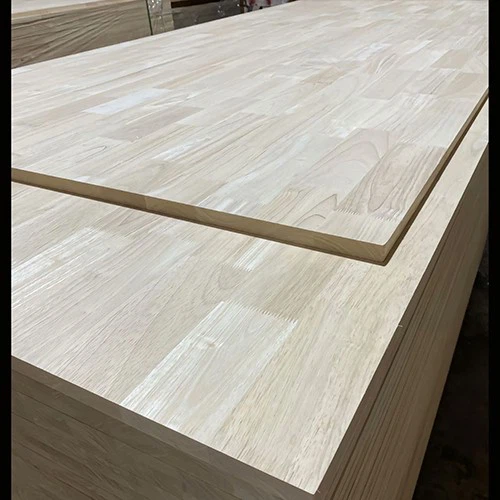
If you're interested in different rubber wood products for your pergola, you can check out our Rubber Destk Top, Rubber Finger Jointed Boards, and Rubber Wood Board.
Disadvantages of Using Rubber Wood for Pergolas
Durability
One of the main concerns with using rubber wood for pergolas is its durability. Rubber wood is a relatively softwood compared to some of the more durable hardwoods. It is more susceptible to rot, decay, and insect damage, especially if it's exposed to the elements for long periods. In areas with high humidity or heavy rainfall, rubber wood may start to deteriorate faster. However, this can be mitigated by proper treatment. You can apply a high - quality wood preservative, sealant, or paint to protect the wood from moisture and pests. Regular maintenance, such as re - applying the protective coating every few years, can also extend the lifespan of the rubber wood pergola.
Strength
In terms of strength, rubber wood may not be as strong as some other woods used for pergolas. Pergolas need to be able to withstand various forces, such as wind, rain, and the weight of climbing plants. While rubber wood can support the basic structure of a pergola, it may not be the best choice for very large or heavy - duty pergolas. If you live in an area with strong winds or plan to have a lot of weight on your pergola, you may need to reinforce the structure or consider using a stronger wood for the main support beams.

Treatment and Maintenance
To make rubber wood more suitable for pergolas, proper treatment and maintenance are essential. As mentioned earlier, applying a wood preservative is crucial to protect the wood from rot and insects. There are many commercial wood preservatives available on the market that are specifically designed for outdoor use. You can either brush or spray the preservative onto the wood, making sure to cover all surfaces thoroughly.
In addition to the preservative, a good sealant can also be applied to prevent moisture from seeping into the wood. This will help to keep the wood dry and reduce the risk of swelling, warping, or cracking. You should also clean your rubber wood pergola regularly to remove dirt, debris, and any mold or mildew that may accumulate. A simple solution of mild soap and water can be used for cleaning, followed by a rinse with a garden hose.
Conclusion
So, is rubber wood a suitable material for pergolas? Well, it depends on your specific needs and circumstances. If you're on a tight budget, want an easy - to - work - with wood, and don't mind putting in some extra effort for maintenance, then rubber wood can be a great option. It offers a good balance of cost, appearance, and workability. However, if you're looking for a wood that requires minimal maintenance and can withstand harsh weather conditions without much reinforcement, you may want to consider other more durable woods.
If you're interested in using rubber wood for your pergola project, I'd love to talk to you. We can discuss your requirements, provide you with samples, and give you a quote. Feel free to reach out to start a conversation about your pergola and how rubber wood can be a part of it.
References
- "Wood Handbook: Wood as an Engineering Material." Forest Products Laboratory, U.S. Department of Agriculture.
- "The Properties and Uses of Rubber Wood." Journal of Wood Science and Technology.


