


As a dedicated supplier of DIY eco boards, I'm often asked about the time it takes to create these sustainable building materials. The duration can vary significantly depending on several key factors. In this blog, I'll delve into the intricacies of DIY eco board production, uncovering the elements that influence the timeline and giving you a comprehensive understanding of the process.
Understanding DIY Eco Boards
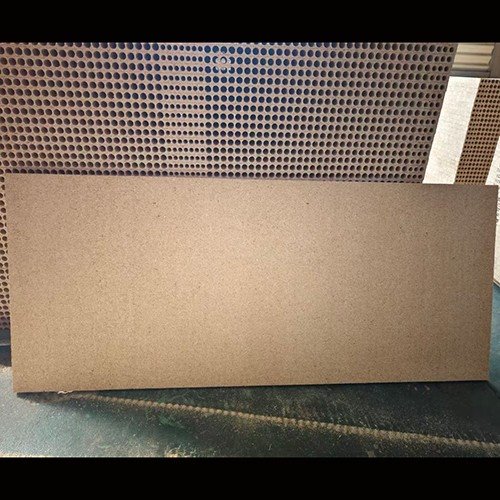
Before we dive into the time aspect, let's ensure we're on the same page about what DIY eco boards are. DIY eco boards are environmentally friendly alternatives to traditional boards. They are crafted from recycled or sustainable materials, such as recycled wood fibers, bamboo, or agricultural waste. These boards not only reduce the demand for virgin timber but also minimize waste and carbon footprint. There are different types of DIY eco boards available in the market, each with its own unique properties and applications. For instance, Eco Particle Board is made from wood particles bonded together with a resin. It's cost - effective and versatile, suitable for a wide range of furniture making and interior applications. Eco Board Plywood consists of multiple layers of wood veneers glued together, providing high strength and durability. And Eco Friendly Foam Board is lightweight and has excellent insulation properties, perfect for insulation and display projects.
Factors Affecting the Production Time
Material Sourcing
The first step in making DIY eco boards is sourcing the materials. If the board is made from recycled materials, the time to collect and sort these materials can vary. For example, if you're using recycled wood from construction sites, it may take some time to coordinate with local contractors, arrange for the collection, and then sort through the wood to remove any contaminants like nails and paint. On the other hand, if the materials are sustainably grown, such as bamboo or fast - growing trees, the time for harvesting and transporting them to the production facility also plays a role. The location of the source is crucial; if the materials need to be transported from a remote area, it will add extra days, if not weeks, to the entire process.
Manufacturing Process
Each type of DIY eco board has its own manufacturing process. For example, creating eco particle boards involves grinding the wood particles, mixing them with resin, and then pressing the mixture under high pressure and temperature. The grinding process can take a few hours to a day, depending on the quantity of materials and the efficiency of the grinding machinery. After mixing, the pressing stage can take anywhere from 10 minutes to an hour per batch, depending on the thickness and size of the board.
Eco board plywood requires a more labor - intensive process. The wood veneers need to be peeled from the logs, dried, and then glued together layer by layer. The drying of the veneers can take several days, as the moisture content needs to be carefully controlled to ensure the quality of the final product. The gluing and pressing of the layers also require precision and time to achieve the desired bonding strength.
Eco - friendly foam boards involve a chemical reaction to create the foam structure. The raw materials are mixed, and the reaction time can range from a few minutes to half an hour. After the foam is formed, it needs to be cut and shaped into the boards, which is a relatively quick process but still adds to the overall production time.
Quality Control
Ensuring the quality of DIY eco boards is a non - negotiable step in the production process. This includes checking the strength, density, moisture content, and chemical composition of the boards. Different testing methods are used, and each test takes a certain amount of time. For example, a strength test may involve applying a load to the board until it breaks, and the data needs to be recorded and analyzed. Depending on the testing protocol and the number of samples tested, quality control can take from a few hours to a couple of days.
Quantity and Scale of Production
The quantity of DIY eco boards being produced has a direct impact on the time. If it's a small - scale production for a single customer project, the setup time for the machinery and the overall process may be more spread out. However, if it's a large - scale production for a bulk order, the production line can be optimized for efficiency. For a large order, the production may continue in multiple shifts, reducing the unit production time. For instance, producing 100 small - sized eco particle boards may take a couple of days, while producing 1000 boards could take a week, but the time per board is actually less in the large - scale production.
General Time Estimates
Small - Scale DIY Projects
If you're making DIY eco boards at home for a small project, such as a simple bookshelf or a wall panel, the time can range from a weekend to a couple of weeks. This includes sourcing the materials, which you can often do from local recycling centers or hardware stores, and the actual construction process. For example, if you're making a small eco particle board, you can collect some scrap wood, grind it using a small - scale grinder (which may take a few hours), mix it with a suitable adhesive, and then press it in a homemade mold. The pressing and drying process may take a day or two, and then you can sand and finish the board.
Commercial Production
For commercial production, the time frame can be more structured. A small - scale commercial order of a few hundred boards may take around one to two weeks. This includes material sourcing, manufacturing, and quality control. A medium - sized order of a few thousand boards can take two to four weeks, depending on the type of board and the complexity of the manufacturing process. Large - scale orders, in the tens of thousands, can take up to two months or more, as the production needs to be carefully planned and coordinated to ensure a continuous and efficient process.
Tips to Reduce Production Time
Efficient Material Management
Establishing long - term relationships with reliable material suppliers can significantly reduce the time spent on sourcing. By having a consistent supply of high - quality materials, you can avoid delays caused by material shortages or low - quality batches. Additionally, proper inventory management can ensure that materials are readily available when needed, minimizing the time between the end of one production batch and the start of the next.
Advanced Machinery
Investing in modern and efficient manufacturing machinery can speed up the production process. For example, high - speed grinders can reduce the time it takes to process the raw materials, and advanced pressing machines can apply pressure more evenly and quickly. Automation can also play a role, reducing the labor - intensive steps and increasing the overall production rate.

Streamlined Quality Control
Implementing a streamlined quality control process can save a lot of time. Instead of testing every single board, use statistical sampling methods to test a representative subset of the boards. This way, you can ensure the quality of the entire batch without spending excessive time on individual tests.
Conclusion
So, how long does it take to make a DIY eco board? As we've explored, the answer depends on a multitude of factors, including material sourcing, manufacturing process, quality control, and the quantity of production. Whether you're a hobbyist looking to create a small eco - friendly project or a business in need of a large supply of DIY eco boards, understanding these factors can help you plan your projects more effectively.
If you're interested in purchasing our high - quality DIY eco boards, we're here to discuss your specific requirements. Our team of experts can work with you to determine the best type of eco board for your project and provide you with an accurate production timeline. We're committed to sustainable practices and delivering top - notch products. Contact us today to start the procurement process, and let's collaborate to bring your eco - friendly visions to life.
References
- "Sustainable Building Materials Handbook" by John Doe
- "Manufacturing Processes for Wood - Based Panels" by Jane Smith
- Industry reports on DIY eco board production from global research institutions.


