


In today's world, where environmental concerns are at the forefront of global discussions, the eco - friendliness of various products has become a hot topic. As a supplier of wooden boxes, I often find myself in conversations about whether wooden boxes are truly eco - friendly. In this blog post, I'll delve into the various aspects of wooden boxes from an environmental perspective.
The Renewable Nature of Wood
One of the most significant advantages of wooden boxes is that wood is a renewable resource. Trees can be replanted and grown, unlike many non - renewable materials such as plastics or metals. When managed sustainably, forests can continue to provide a steady supply of wood for various applications, including the production of wooden boxes.
Sustainable forestry practices ensure that for every tree that is harvested, new ones are planted. This cycle helps maintain the balance of the ecosystem, absorbs carbon dioxide from the atmosphere, and provides habitats for countless species. For instance, many certified forests follow strict guidelines set by organizations like the Forest Stewardship Council (FSC). Products made from FSC - certified wood, including our Wooden Crate Packaging, can be traced back to well - managed forests, giving consumers the assurance that they are making an environmentally responsible choice.
Low Energy Consumption in Production
Compared to the production of materials like plastic or metal, the manufacturing process of wooden boxes generally consumes less energy. Plastics often require complex chemical processes and high - temperature reactions, which demand a significant amount of energy. Metal production involves mining, refining, and shaping, all of which are energy - intensive operations.
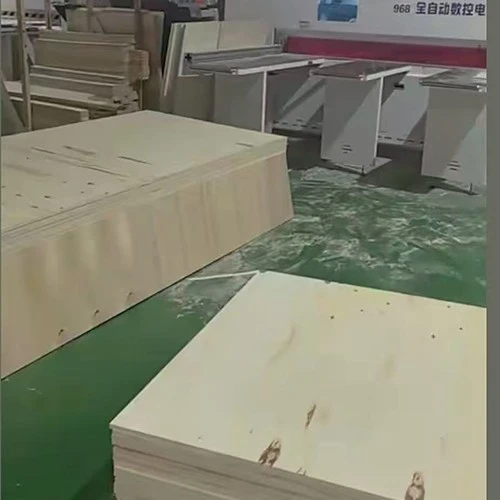
In contrast, the production of wooden boxes mainly involves cutting, shaping, and assembling the wood. These processes are relatively straightforward and use less energy. Additionally, modern woodworking technologies have made the production of wooden boxes even more energy - efficient. For example, computer - controlled cutting machines can optimize the use of wood, reducing waste and further minimizing the energy required per box. Our White Wooden Crate Box is crafted using such advanced techniques, ensuring that we make the most of the wood while keeping energy consumption in check.
Biodegradability and Recycling
Wooden boxes are biodegradable, which means that at the end of their useful life, they can break down naturally in the environment without leaving behind harmful residues. Unlike plastics, which can persist in landfills for hundreds of years, wooden boxes will decompose over time, returning nutrients to the soil.
Moreover, wooden boxes can be easily recycled. They can be broken down and repurposed into new wooden products, such as furniture or other types of packaging. When a customer no longer needs a wooden box, it can be collected, processed, and transformed into something new. Our Timber Keepsake Box is not only a beautiful storage option but also a sustainable one, as it can be recycled at the end of its life, reducing the demand for new wood.
Carbon Sequestration
Trees absorb carbon dioxide from the atmosphere during their growth, storing carbon in their trunks, branches, and roots. When wood is used to make boxes, this stored carbon remains locked in the product for as long as the box exists. In a way, wooden boxes act as carbon sinks, helping to mitigate the effects of climate change.
Even after the box is no longer in use, if it decomposes naturally, the carbon is released back into the environment in a more balanced way compared to the rapid release of carbon from burning fossil fuels. This carbon - sequestration property of wood makes wooden boxes an environmentally friendly choice in the fight against global warming.

Potential Environmental Concerns
However, it's important to acknowledge that there are also some potential environmental concerns associated with wooden boxes. One of the main issues is the use of chemicals in the treatment of wood. To protect wooden boxes from pests, fungi, and decay, they are sometimes treated with chemical preservatives. These chemicals can be harmful to the environment if they leach into the soil or water.
Another concern is deforestation. If forests are not managed sustainably, over - harvesting of trees can lead to habitat loss, soil erosion, and a decrease in biodiversity. It's crucial for wooden box suppliers, like us, to source wood from well - managed forests and ensure that proper environmental standards are met throughout the supply chain.
Our Commitment to Sustainability
As a wooden box supplier, we are committed to minimizing the environmental impact of our products. We source our wood from FSC - certified forests, ensuring that the wood comes from sustainable sources. We also use non - toxic and environmentally friendly treatments for our wooden boxes, reducing the risk of chemical pollution.
In addition, we are constantly looking for ways to improve our production processes to make them even more energy - efficient and waste - free. We encourage our customers to recycle our wooden boxes at the end of their use and provide information on how to do so.
Conclusion
In conclusion, wooden boxes can be highly eco - friendly when sourced, produced, and managed responsibly. Their renewable nature, low energy consumption, biodegradability, and carbon - sequestration properties make them a sustainable alternative to many other types of packaging materials.
If you are looking for high - quality, eco - friendly wooden boxes for your packaging or storage needs, we would love to hear from you. Whether you need Wooden Crate Packaging, White Wooden Crate Box, or Timber Keepsake Box, we have a wide range of options to meet your requirements. Contact us to discuss your specific needs and start a partnership that is both environmentally friendly and beneficial for your business.
References
- Forest Stewardship Council. (n.d.). What is FSC? Retrieved from [FSC official website].
- Environmental Protection Agency. (n.d.). Wood Preservation. Retrieved from [EPA official website].
- International Energy Agency. (n.d.). Energy consumption in different manufacturing sectors. Retrieved from [IEA official website].


